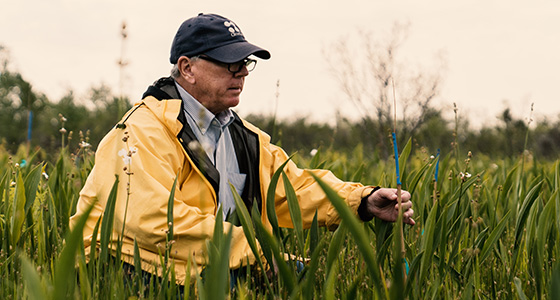
Reforestation & Avoided Deforestation Projects
Reforestation and forest preservation carbon offset projects are part of the global warming solution. Forest-based carbon offset projects fight climate change by sequestering carbon dioxide emissions from the atmosphere in trees and soil and have many co-benefits for the community and local wildlife. Forest preservation creates jobs, maintains and expands wildlife habitats, protects biodiversity, and improves local environmental quality.
Much of the world’s tropical rainforests have either been cut down or are directly threatened with imminent deforestation. Deforestation and forest degradation have resulted in species loss and direct contribution to global warming. Moreover, deforestation accounts for over 20 percent of global carbon dioxide emissions – more than the entire global transportation sector! Our reforestation and avoided deforestation offset projects meet the toughest industry standards.
Forestry projects absorb carbon emissions for years and decades into the future. Your support of these projects is reducing emissions over several decades. Fight global warming. Protect biodiversity. Help communities. Support forest-based carbon offset projects.
Location: USA
Project type: Reforestation Project
Standard: American Carbon Registry
Verification/Validation: Environmental Services, Inc.
Environmental Benefits
- Mitigates climate change
- Restores watershed alongside Mississippi River
- Reduces soil erosion
- Restores wildlife habitat
Community Benefits
- Local employment
- Improved area for recreational activities and tourism
The Lower Mississippi Alluvial Valley Reforestation Initiative aims to reforest at least one million acres throughout Louisiana, Mississippi, Arkansas, Tennessee, Kentucky, Missouri and Illinois. Considered North America's rainforest, this region is a vital habitat for migratory birds and numerous plant and animal species. The project will also sequester CO2 emissions. Previously encompassing 22 million acres of temperate forest, the region now holds only four million acres of unfarmed forestland.

Location: Acre, Brazil
Project type: Forest Conservation and Avoided Deforestation
Standard: Verified Carbon Standard and the Climate, Community and Biodiversity Alliance Standard Gold Level
Verification/Validation: Scientific Certification Systems
Environmental Benefits
- Reduce carbon dioxide emissions
- Mitigate climate change
- Conserve habitat for endangered and threatened species
- Improve local water quality
- Retain top soil and control erosion
Community Benefits
- Establish alternative sources of income and employment opportunities
- Social projects and programs such as building a new school and health clinic
Project Description
In the world’s largest rainforest, the PURUS Forest Conservation Project involves numerous local and international partners that will protect nearly 90,000 acres from slash-and-burn forest clearing and prevent millions of tonnes of greenhouse gas emissions. This project will also provide essential ecosystem services such as erosion control, water cycling, filtration and storage, nutrient recycling, and habitat for thousands of native Amazonian animal and plant species.
Avoided deforestation projects are critical because about 20 percent of global warming is attributed to deforestation, which reduces the Earth’s capacity to absorb carbon dioxide. Moreover, fallen trees decompose and release methane, a heat-trapping gas about 23 times more potent than CO2.
This Project has been successfully validated to both the Verified Carbon Standard and the Gold Level of the Climate, Community and Biodiversity Standard (CCBS).
The PURUS project was developed by CarbonCo LLC, a wholly owned subsidiary of the Carbonfund.org Foundation, working to protect habitats, endangered species, and local communities through rainforest conservation projects.